THORChain’s Trading Halt Shows Why Cross-Chain Swaps Need Route Awareness
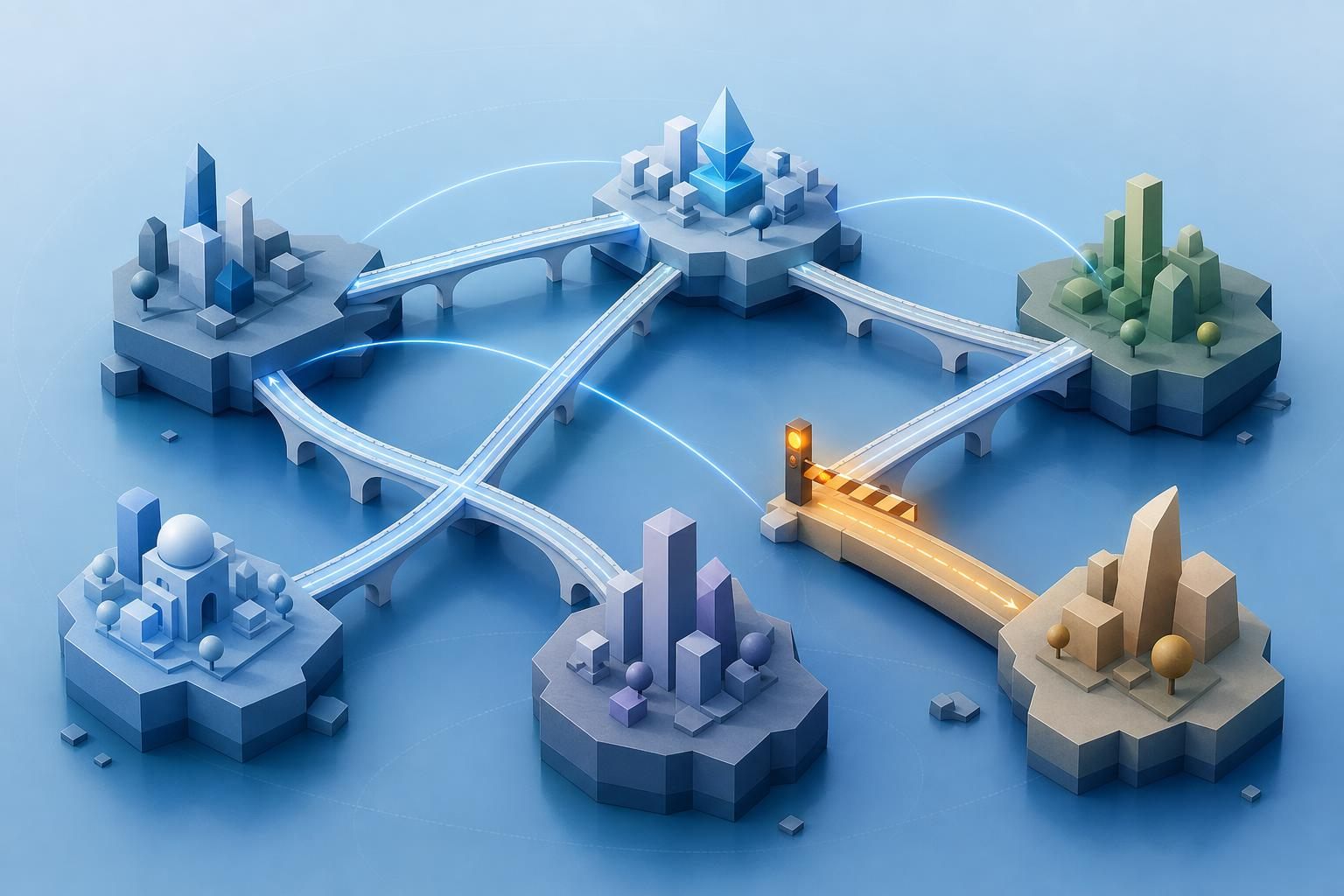
THORChain’s latest trading halt is a reminder that cross-chain swap quality is not just about access. When venues pause, liquidity fragments, and risk signals shift, users need clearer route awareness before they trade.
Cross-chain swaps are supposed to make crypto feel simpler. A user has one asset, wants another asset, and expects the market to find a clean path between the two.
That simplicity is valuable. It is also fragile.
THORChain’s May 2026 trading halt shows why. The protocol said trading was paused after a vault was compromised, with initial indications that user funds were safe and protocol-owned funds were affected. Reports tied the halt to a suspected exploit of roughly $10 million across multiple chains, including Bitcoin, Ethereum, BNB Chain, and Base.
For users, the important lesson is not just that one venue had a security incident. It is that cross-chain execution quality can change very quickly. A route that looks usable in normal conditions can become unavailable, riskier, slower, or worse priced once a major venue pauses or market makers pull back.
That is why cross-chain swap tools need to do more than show access. They need to help users understand the quality of the route in front of them.
A trading halt changes more than one protocol
When a cross-chain venue halts trading, the immediate story is security. Was money lost? Were users affected? How long will the pause last? Those are the right first questions.
But the market structure impact is broader.
A halt can remove a liquidity path that many users and aggregators rely on. It can force trades into alternative routes. It can change spreads across venues because liquidity does not rebalance evenly. It can push users toward bridges, pools, or swap paths they would not normally choose.
That matters because most users do not experience DeFi as a set of isolated protocols. They experience it as a result.
They ask one practical question: how much did I receive after the swap completed?
If one route disappears, another may still exist. But that does not make the replacement route equal. It may have more steps, thinner liquidity, worse pricing, slower settlement, or more execution uncertainty.
Cross-chain access is not the same as execution quality
Crypto users often treat access as the win. If an asset can move from chain A to chain B, the problem appears solved.
The THORChain halt is a useful reminder that access and execution are different things.
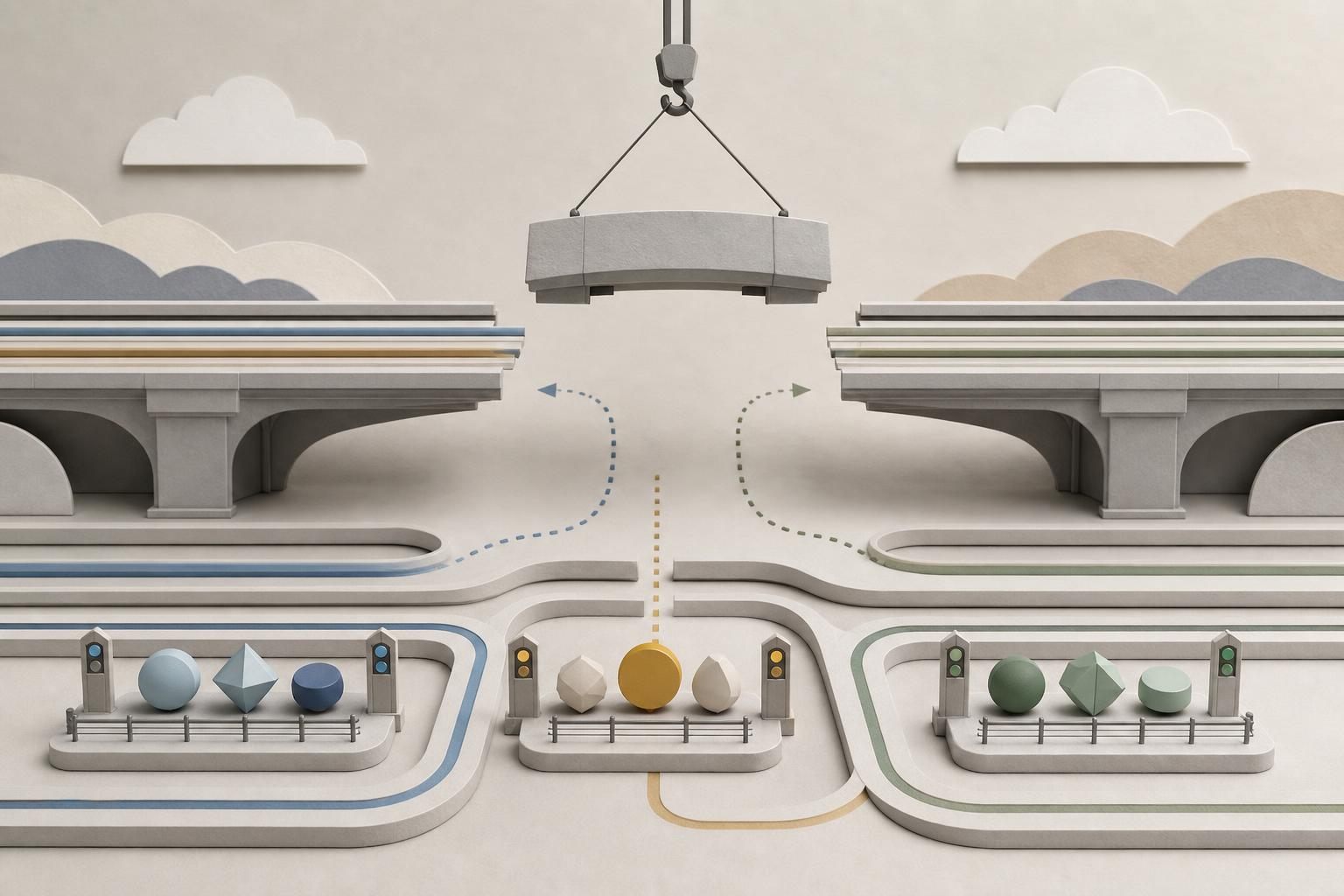
Access means a path exists. Execution quality means the path is worth taking.
A good cross-chain route should minimize avoidable cost, reduce unnecessary steps, surface meaningful route differences, and avoid sending users through a path that looks convenient but delivers a worse final outcome.
That becomes more important during stress events. When a protocol halts, liquidity providers and arbitrageurs adjust. Some venues widen. Some pools become less attractive. Some routes remain technically available but stop being economically clean.
This is where users can get hurt without seeing an obvious warning sign.
A swap interface may still show a quote. The quote may still complete. But the hidden cost can appear in slippage, spread, route complexity, confirmation time, or a final received amount that is worse than expected.
Security signals become execution signals
Security incidents are usually discussed as risk management events. They should also be treated as execution events.
When a venue reports abnormal behavior, pauses signing, or halts trading, that information should change how users think about routes. Even if user funds are safe, market conditions around that venue can become unstable.
The same logic applies beyond THORChain.
If a bridge pauses, a pool depegs, a wrapper loses confidence, an oracle update lags, or a major route provider slows down, the practical impact is similar. The user needs a better way to compare options before committing capital.
That comparison should not only ask which route is possible. It should ask which route is sensible right now.
A strong routing experience should help users understand:
- whether the route depends on a venue under stress
- whether liquidity is deep enough for the intended size
- whether the quoted output is meaningfully better than alternatives
- whether a simpler route is safer even if it is not the absolute cheapest
- whether current market conditions make waiting the better choice
Those are execution questions, not just interface questions.

Fragmentation makes the problem harder
Cross-chain liquidity keeps spreading across more networks, wrappers, pools, and venues. That is good for access, but it makes decision-making harder.
In a fragmented market, the best route can change quickly. It may depend on trade size, available liquidity, fee layers, settlement path, and the health of each venue involved. During calm conditions, weak routing may still look acceptable. During stress, weak routing becomes expensive.
That is why users need tools that reduce the number of blind decisions they have to make.
Most people do not want to manually inspect every pool, bridge, aggregator, and venue before swapping. They want a clear answer: what path gives me a cleaner outcome with less friction?
That answer becomes especially valuable when the market is reacting to a security incident.
The point is not to scare users away from cross-chain swaps. The point is to make the routing layer smarter, more transparent, and more responsive to changing conditions.
What this means for OneSwap users
THORChain’s trading halt is another sign that swap execution quality is becoming the real product.
Cross-chain DeFi is not moving toward one perfect venue. It is moving toward more chains, more assets, more wrappers, more liquidity pockets, and more route choices. That gives users more flexibility, but it also creates more room for avoidable cost and confusion.
OneSwap is built for that environment.
Instead of forcing users to trust the first visible path, OneSwap helps compare routes and focus on the final outcome. The goal is simple: give users a clearer way to move between assets while reducing the hidden drag that comes from poor routing.
When markets are calm, that can mean better pricing and less friction. When markets are stressed, it can mean avoiding routes that no longer make sense.
If you want cleaner cross-asset execution as DeFi becomes more fragmented, try OneSwap.