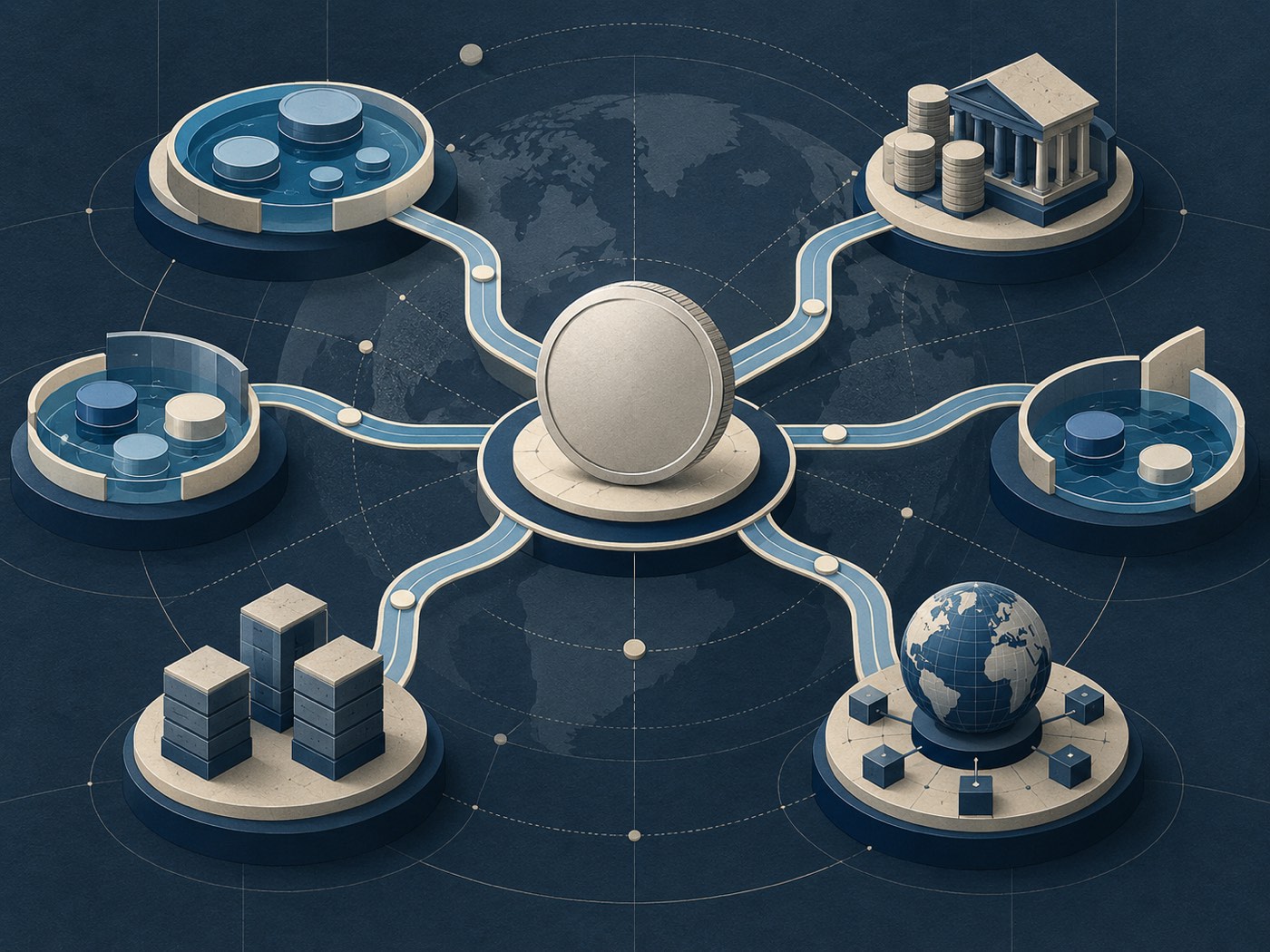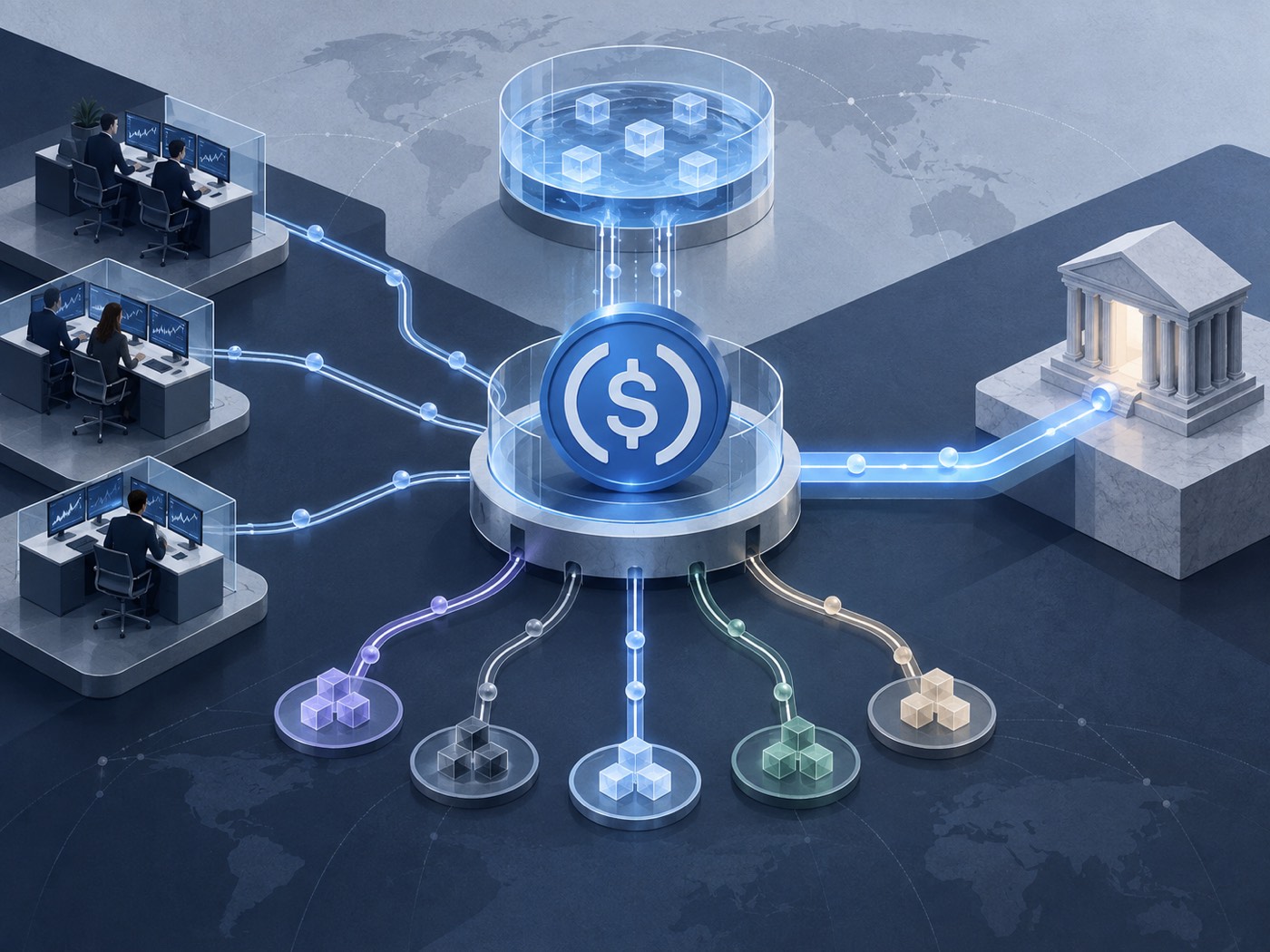
After the Binance Hack, Cross-Chain Routes Need Asset Provenance
The Binance hot wallet incident shows why cross-chain quotes need asset provenance, issuer state, bridge context, and fallback visibility beside price and fees.

The Binance hot wallet incident shows why cross-chain quotes need asset provenance, issuer state, bridge context, and fallback visibility beside price and fees.

Tokenized asset ownership is scaling across chains. This guide explains the route inputs that can connect RWA holders to usable cross-chain liquidity.

Multi-chain vaults are turning access into a routing problem. Here is how liquidity, cost, settlement, and asset context can become one clear deposit experience.

Robinhood Chain’s $100B DEX milestone makes liquidity routing, stablecoin depth, and cross-chain execution quality central to the next phase of onchain markets.

USDG's native Arbitrum launch brings more stablecoin liquidity into lending, derivatives, RWA and settlement. The next product question is how routes expose asset identity, venue depth and cross-chain execution conditions.

A cross-chain swap is complete when users can see where funds went, what was paused, and how the route returns to normal.

The Bitget incident shows why cross-chain execution needs risk context, route controls, and settlement evidence beside price and gas.

RLUSD growth and new GENIUS Act implementation proposals show why stablecoin routes need reserve context, venue depth, transfer dependencies, and settlement evidence beside the quote.

Circle's Arc mainnet combines native USDC gas, cross-chain interoperability, StableFX, and institutional integrations. Route quality will show how the settlement stack performs in practice.

Arc's September 16 mainnet launch will put early liquidity, stablecoin gas, and route reliability under pressure. Here is the execution checklist for wallets and aggregators before day one.