After the Binance Hack, Cross-Chain Routes Need Asset Provenance
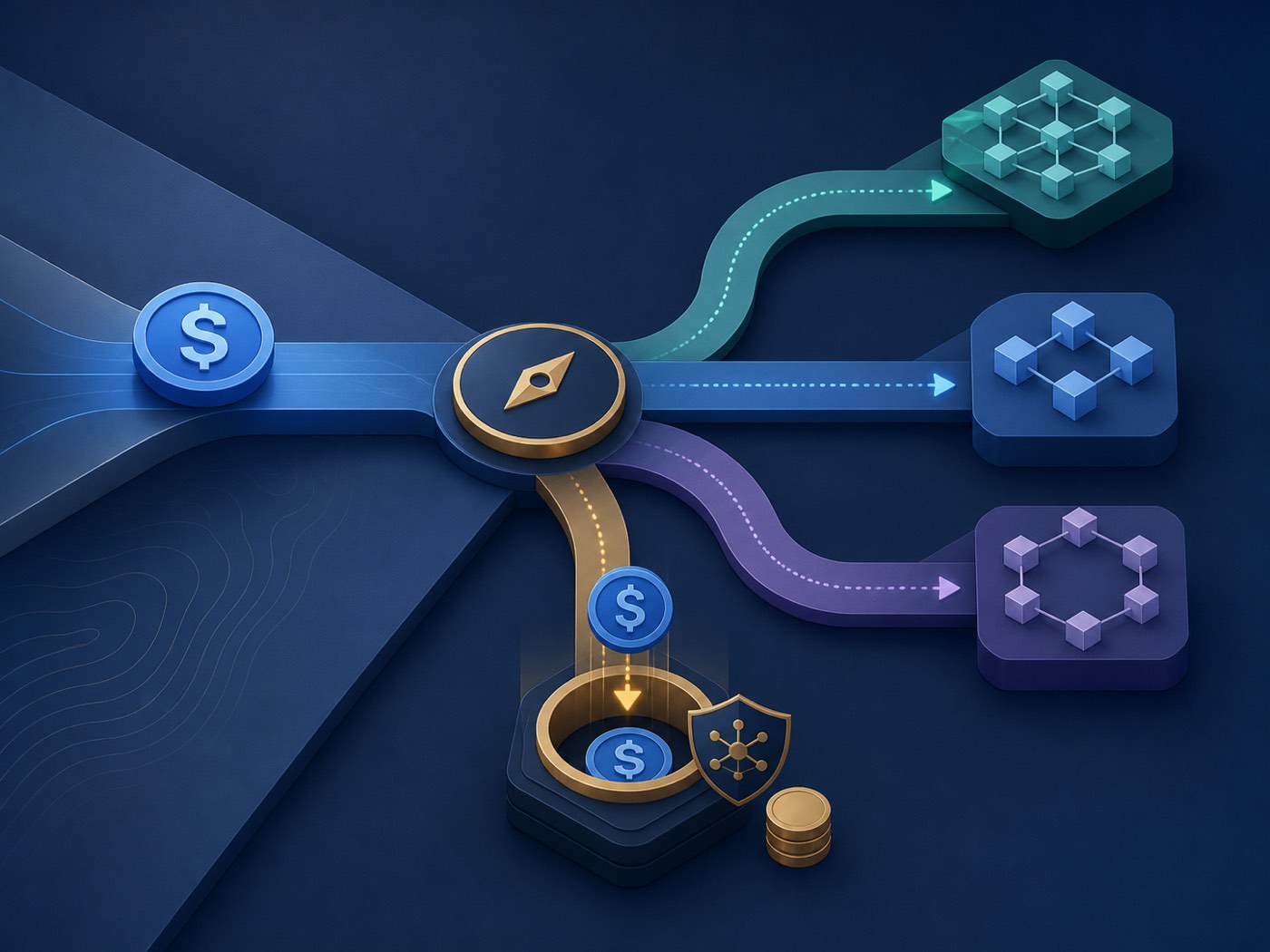
The Binance hot wallet incident shows why cross-chain quotes need asset provenance, issuer state, bridge context, and fallback visibility beside price and fees.

The Binance hot wallet incident shows why cross-chain quotes need asset provenance, issuer state, bridge context, and fallback visibility beside price and fees.

Tokenized asset ownership is scaling across chains. This guide explains the route inputs that can connect RWA holders to usable cross-chain liquidity.

Stablecoin volume is moving outside bank hours. Here is what always-on settlement changes for route selection, liquidity visibility, and cross-chain execution.

As tokenized stocks move into broader market infrastructure, issuer consent, claim type, backing, eligibility, and settlement belong in the route record beside price and liquidity.

Tokenized ETFs and stocks are moving from dashboards into collateral and 24/7 markets. The next routing challenge is preserving asset identity, backing, liquidity, and destination fit across chains.

New bank stablecoin plans, Robinhood Chain supply growth, and native cross-chain issuance make asset identity, gas, liquidity, and settlement context part of every useful route quote.

Circle's CCTP V2 launch on Aptos brings native USDC across chains in seconds and adds programmable hooks, making transfer speed, asset identity, and destination execution part of one route decision.

Robinhood Chain's $25B DEX milestone and $1.5B stock-token update show why route quality now depends on live asset, liquidity, venue, and gas context.

Stablecoin routes now carry more than a swap rate. Gas mode, fee payer, fee asset, and settlement timing can change the result a user receives.

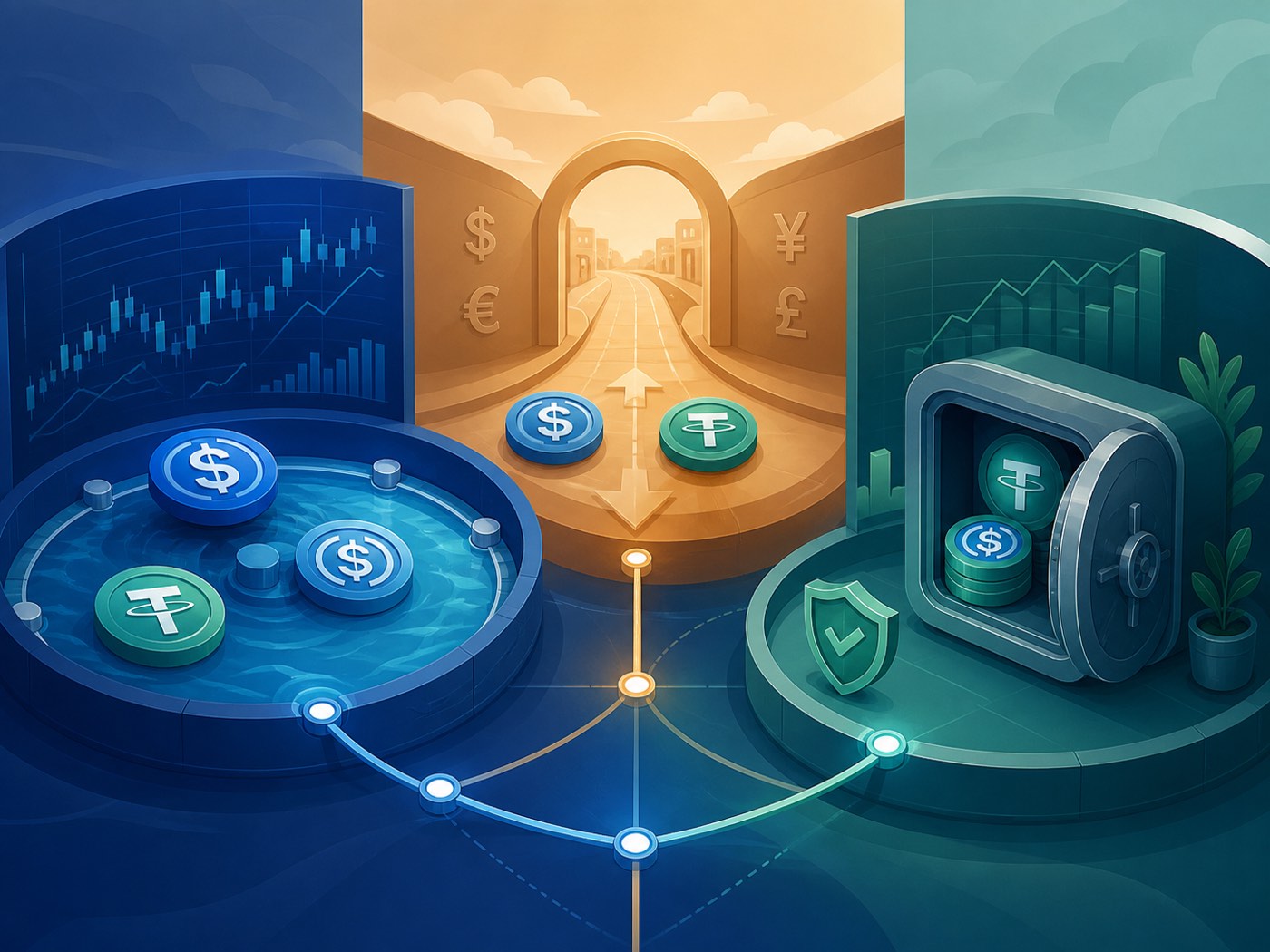
Stablecoins are becoming different products on different chains. The token, network, venue, and user intent now shape the route and the outcome a user receives.